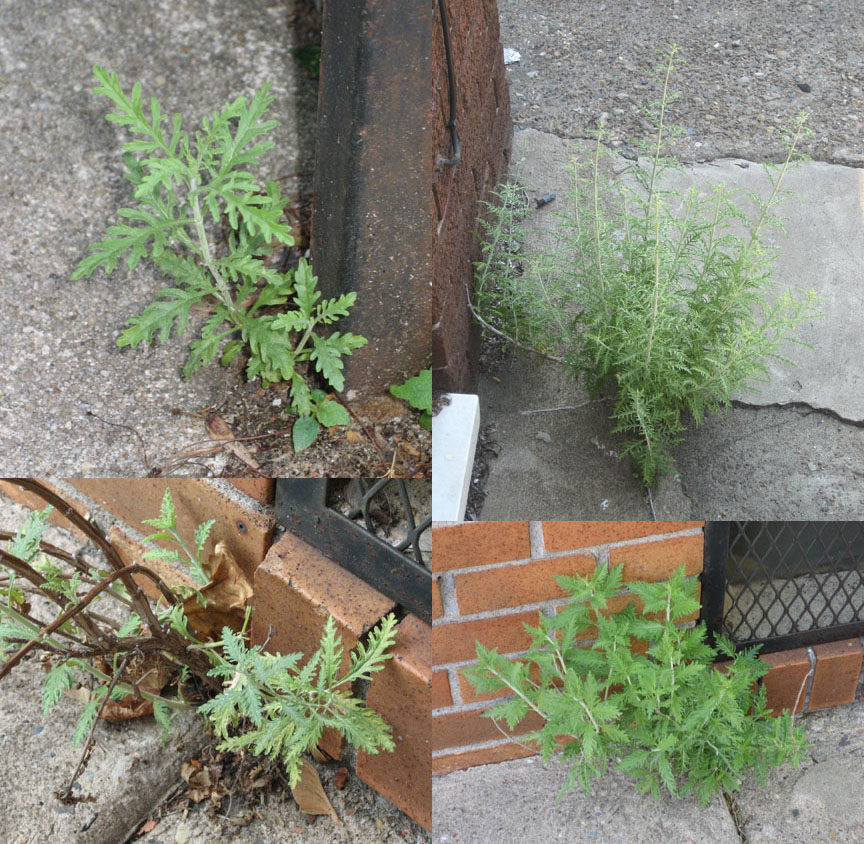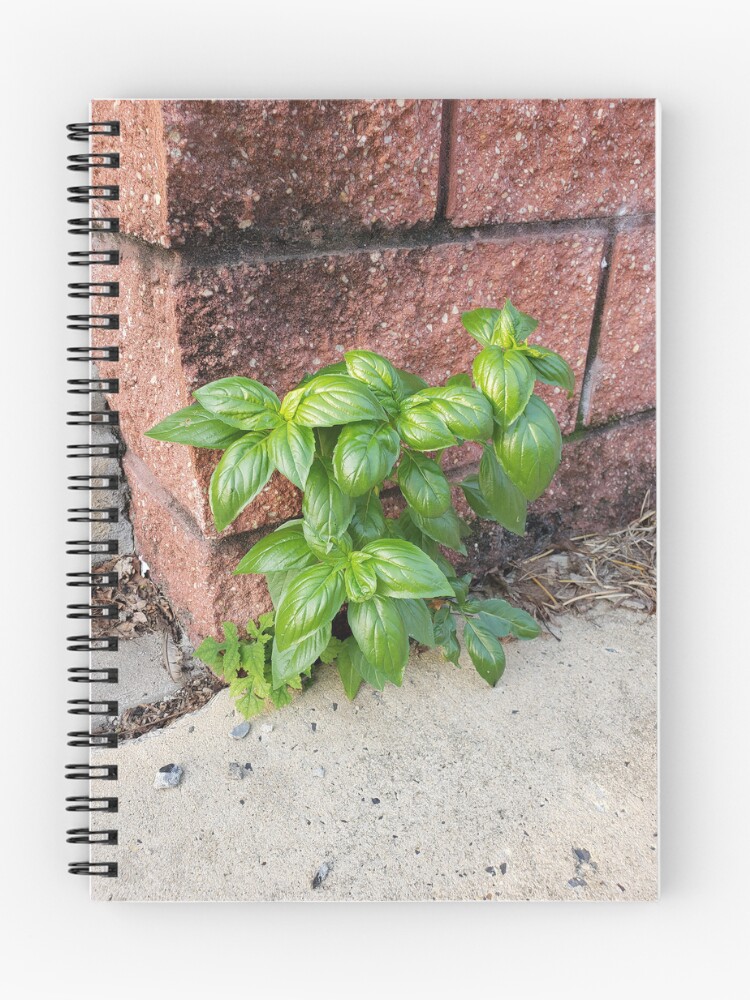
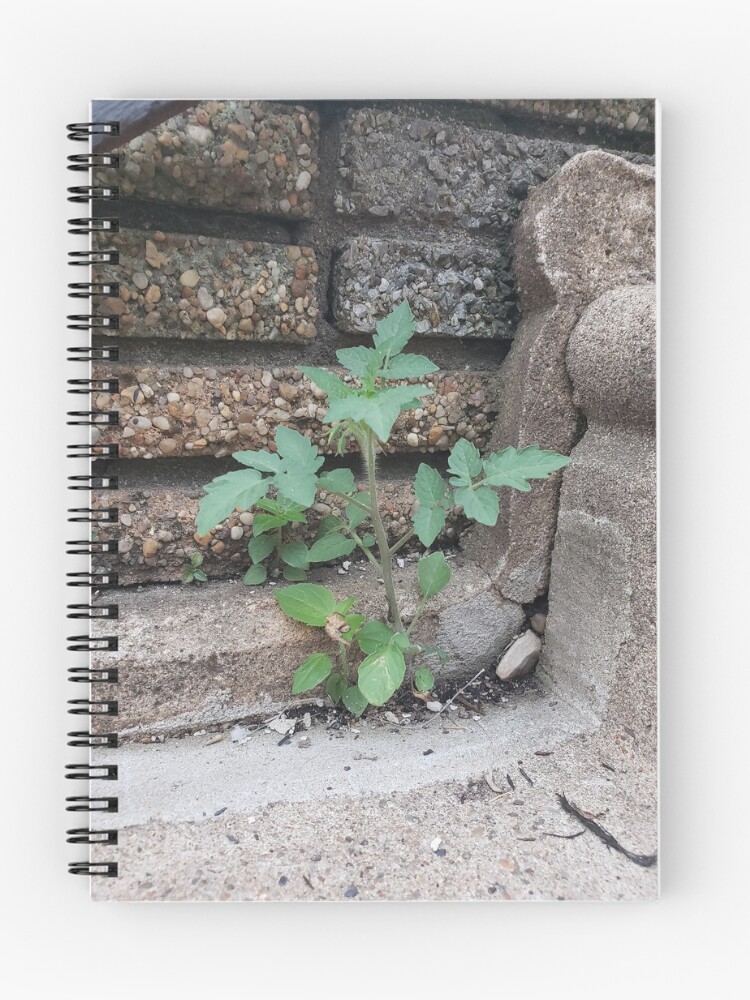
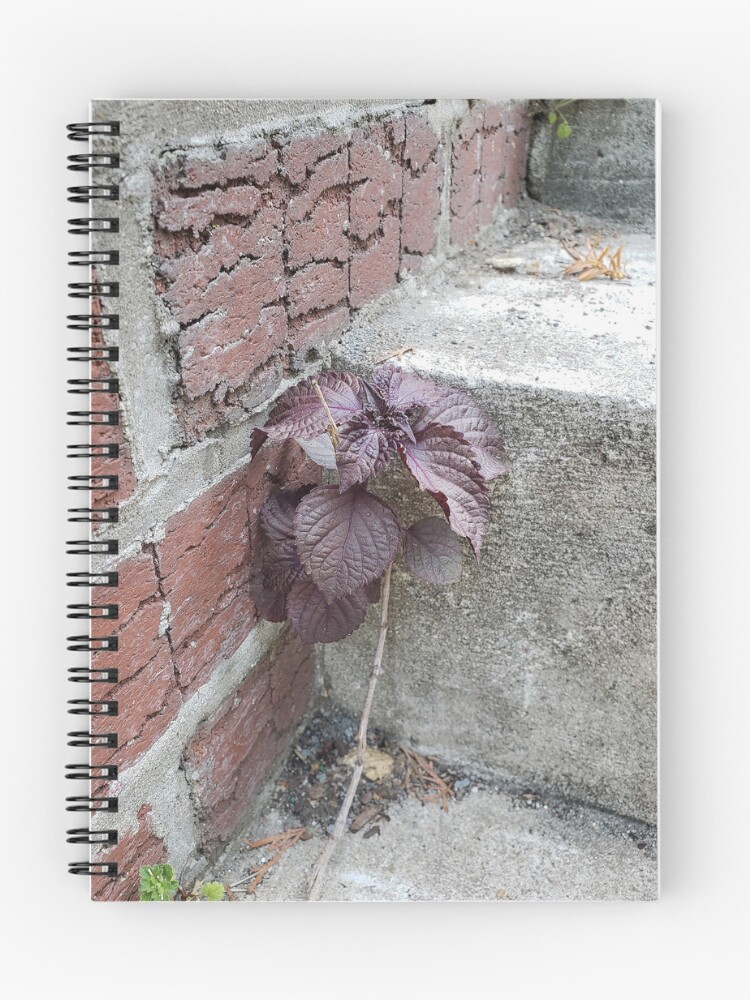
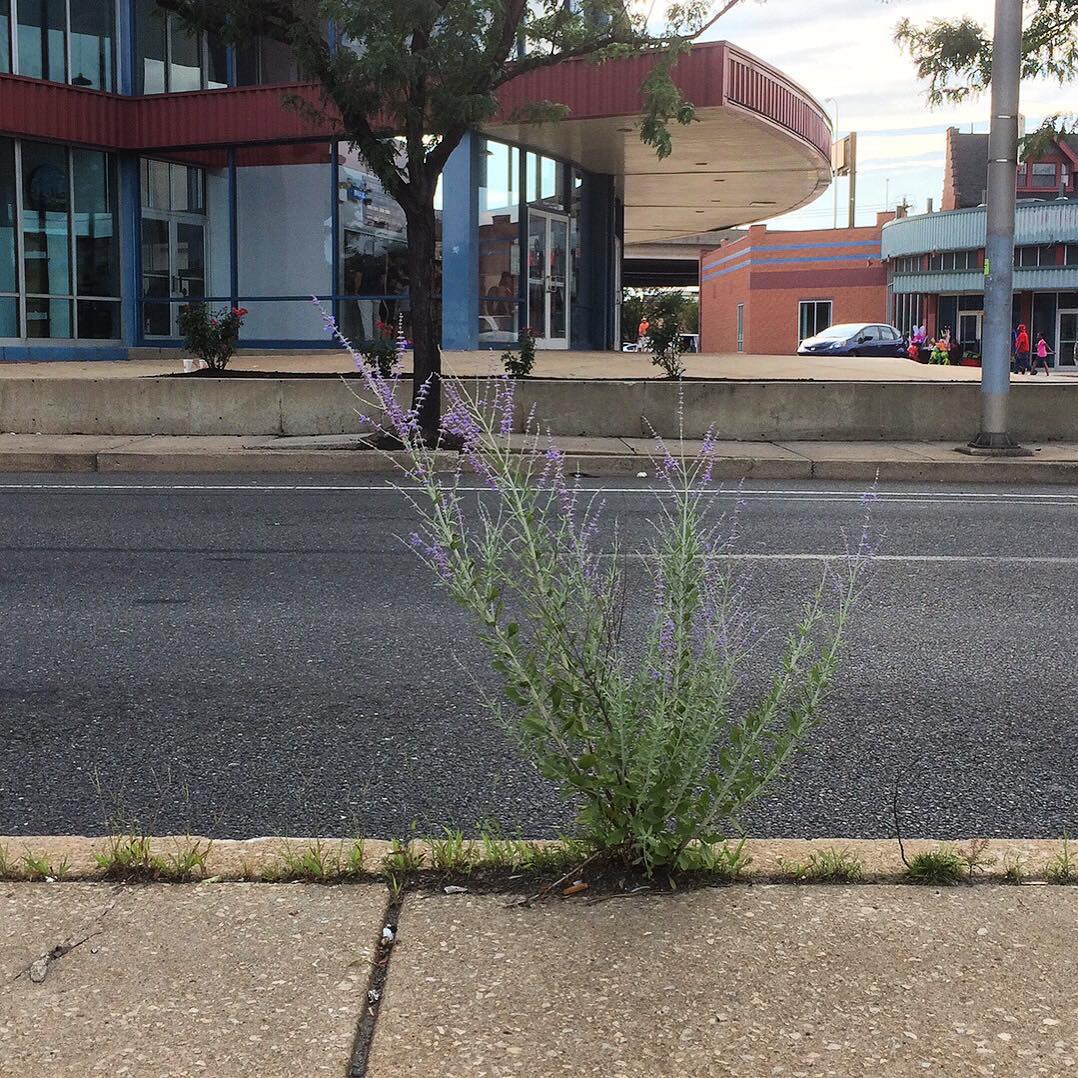
After over a century and a half of botanists telling everyone that Russian Sage wasn't a true Sage, in 2017 they changed their minds and decided it really was a Sage and Perovskia atriplicifolia became Salvia yangii. It turns out, it was never even really Russian to begin with. Who can you trust?
Whether a sage or not, this highly-scented impostor Russian is in the Mint family (Lamiaceae), which is an aggressively weedy family. Sages are on the less weedy end of the, tending more toward a woody sub-shrub life. As a plant of the steppes, Russian Sage actually prefers poor-quality soil. It doesn't take well to overly fertilized or consistently moist soil. A sidewalk crack is generally well-watered, as water is diverted from a broad surface to the cracks but the cracks are also usually well-drained. To Russian Sage, it can be as much a comfortable home as a rocky crag on the steppes.
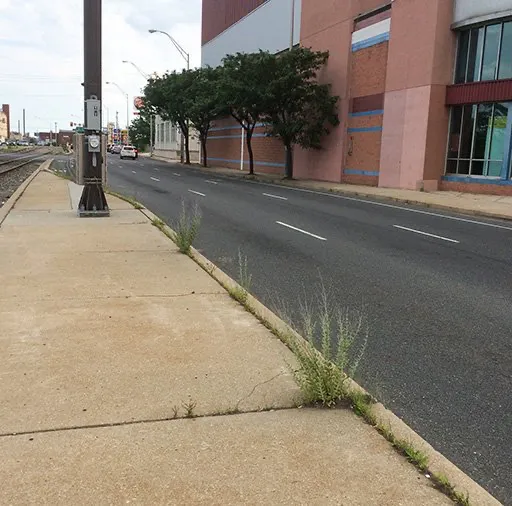
Some time ago, they planted it along the old train tracks running down the center of Columbus Boulevard, farther north than I usually photograph. In 2017, I found that they had infested the median in front of the old AMC theater a few blocks south. That population did not persist, unfortunately. They were probably sprayed into oblivion, a treatment which annuals are more likely to persist through than woody perennials.
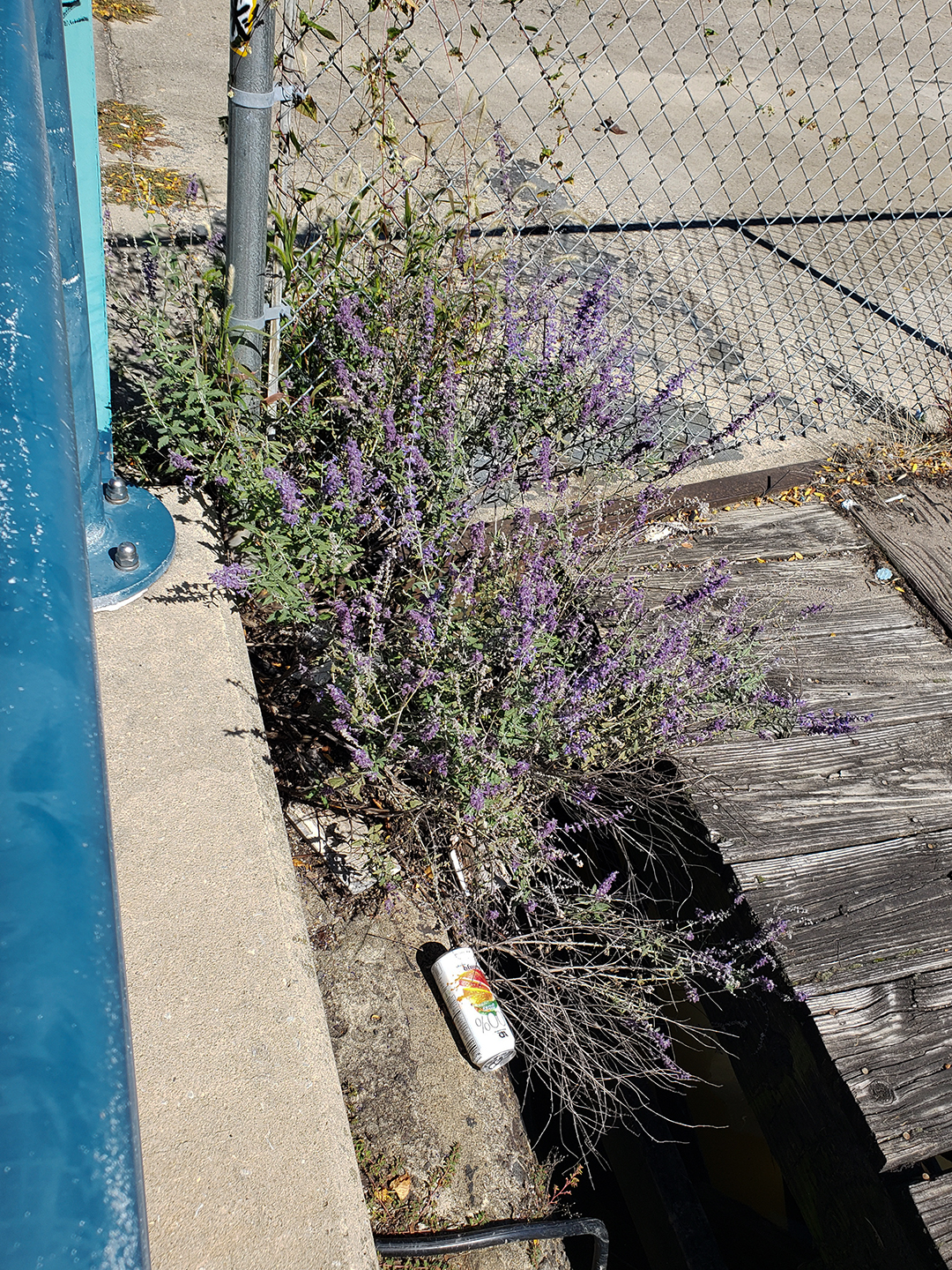
On October 6th of 2026, I discovered another volunteer spread from the Columbus plantings growing out of the retaining wall of the Delaware River.
The only other persisting feral specimen that I am aware of is in Hawthorne.
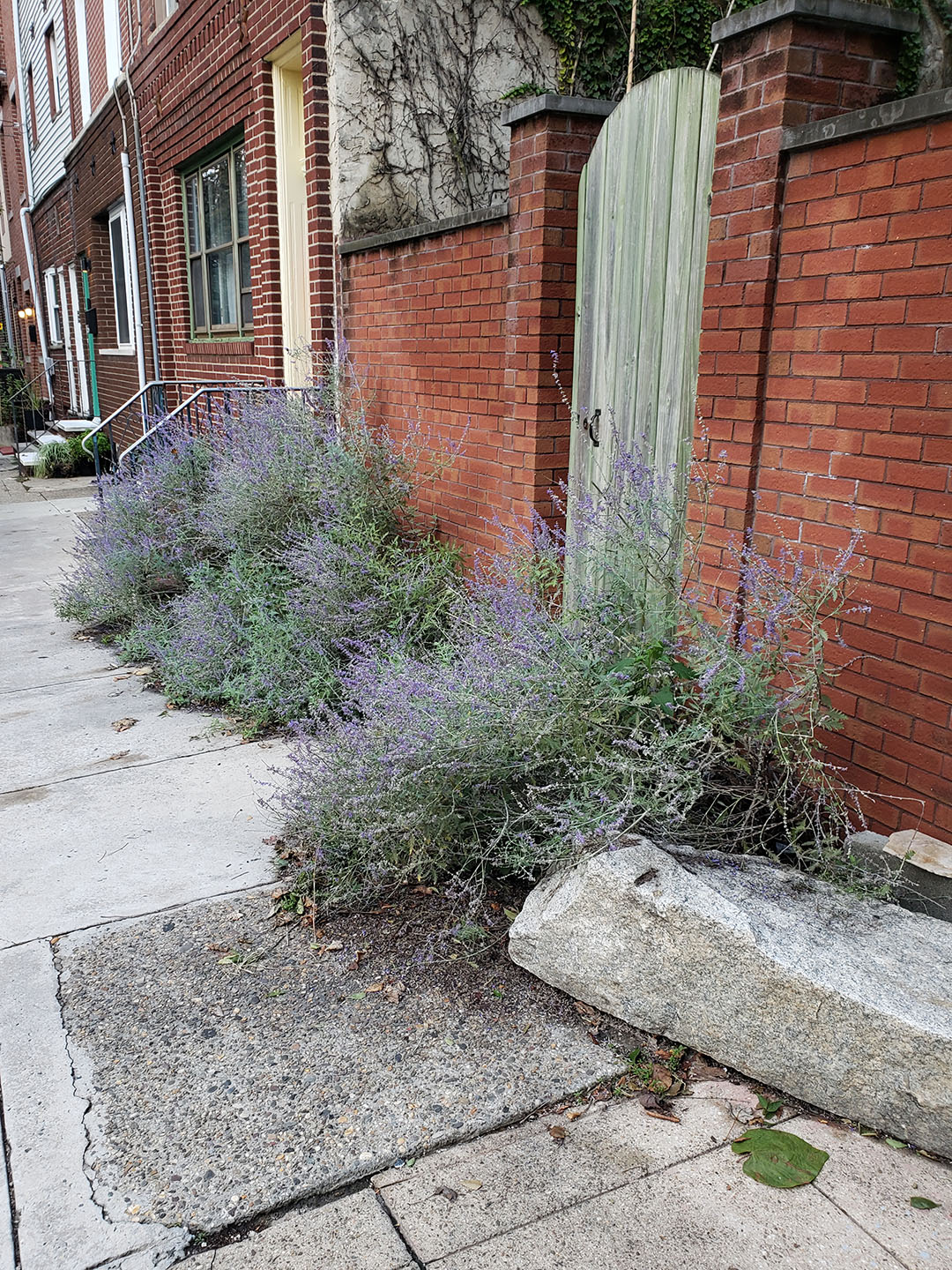
I am not certain about the plant farther back, but the one in the foreground is growing out of a crack. The other one is so large and there is so much debris that even in 2020, I was not able to positively confirm that it is not in a small planter pit. I believe that it is also a pavementplant but cannot say with certainty.
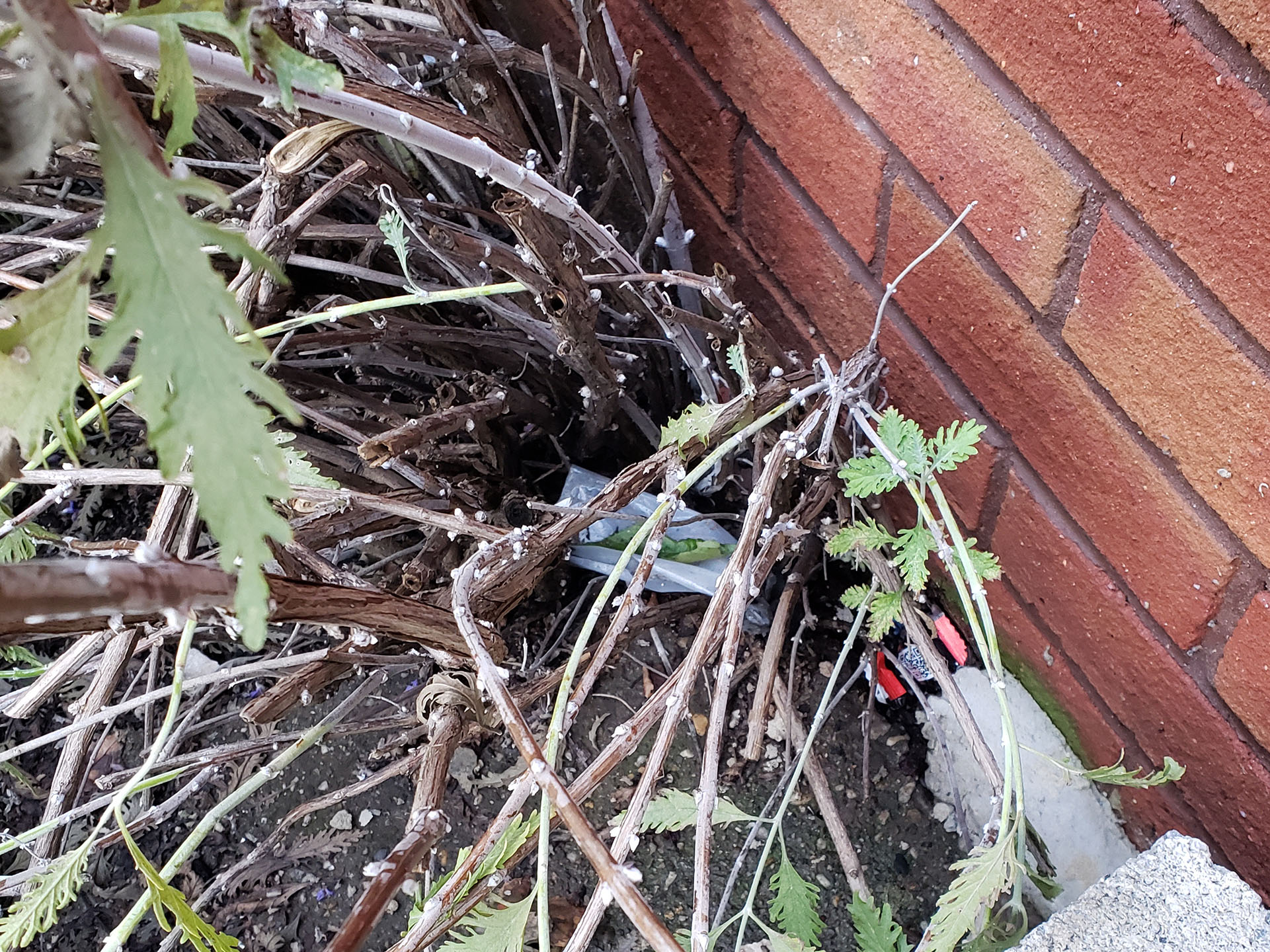
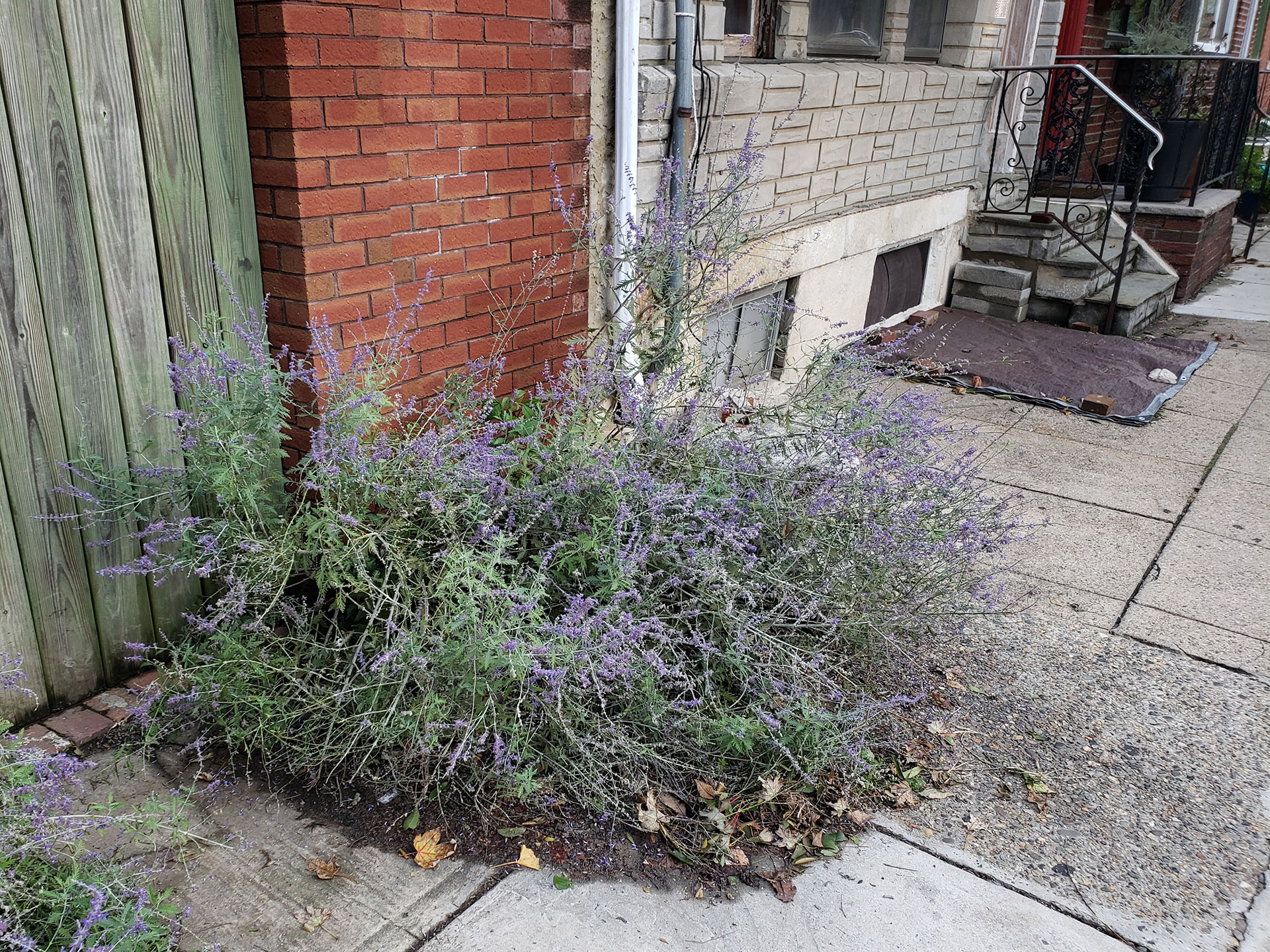
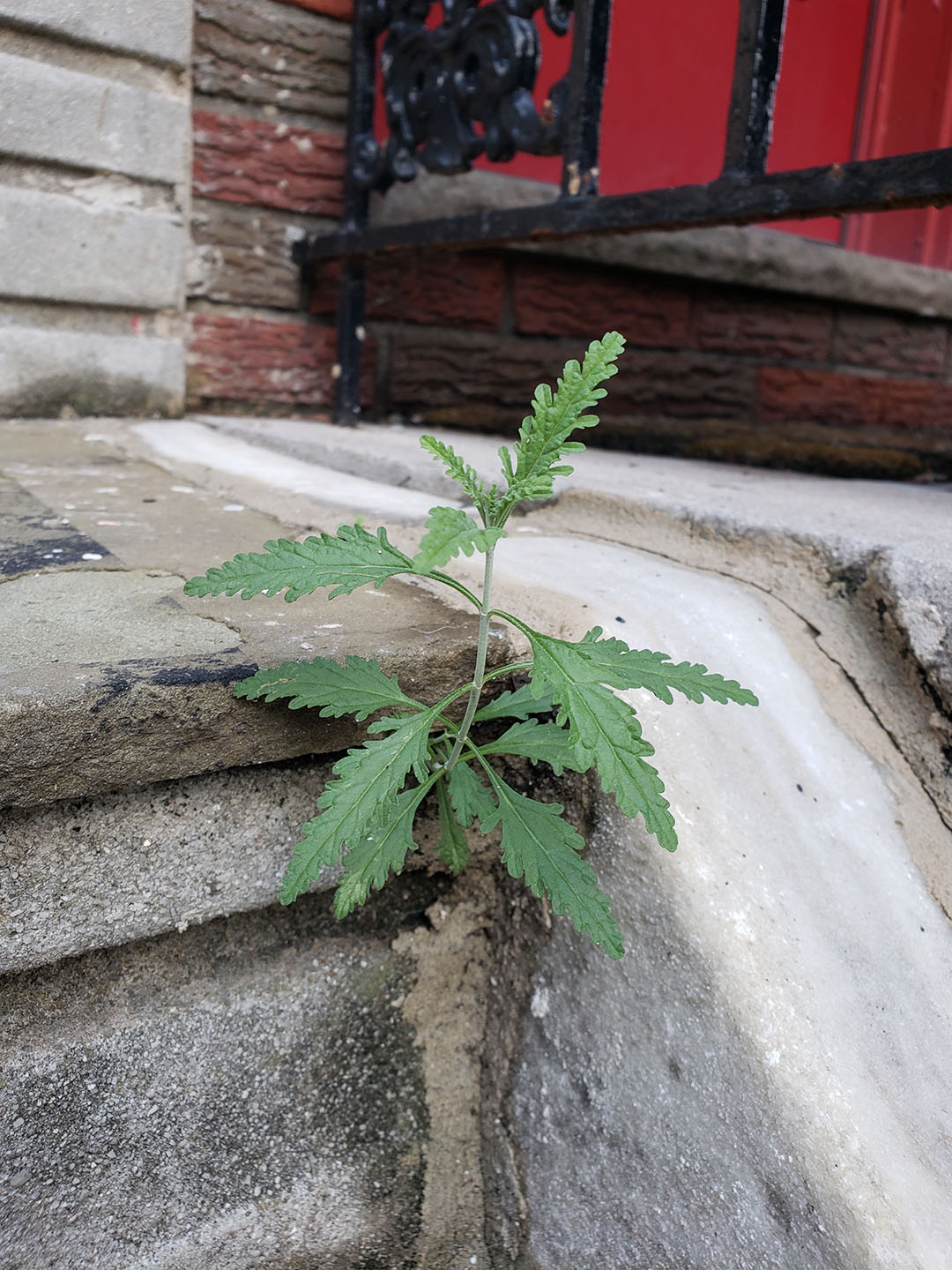
Russian Sage sends out long rhizomes, which explains why it keeps popping out of the steps in the background of the above photograph. It has been popping up there for years. It looks like someone even tried to seal up the crack to no avail.
Besides the examples around Columbus and Hawthorne, I can't recall having seen any other pavementplant specimens since at least before 2008. Im not sure how much older than that these photographs are and have no recollection of where the shots may have been taken except to note that they were included in a work of plant specimens found growing within the bounds of Philadelphia.